Bulk Frozen Chicken Cuts | Frozen Chicken Bulk Supplier | Wholesale Frozen Chicken
Buying bulk frozen chicken cuts feels risky when quality, halal rules, and profit all depend on one shipment. This guide, Bulk Frozen Chicken Cuts: The Wholesale Buyer’s Complete Guide, sets clear rules to follow for every container.
Small details about freezing method, grading, paperwork, and the cold chain often decide whether a load earns money or causes loss. Miss one and you face claims, waste, or even rejected cargo.
Bulk frozen chicken cuts are large-volume loads of whole birds, pieces, or prepared items sold to trade buyers. In the next sections we explain product types, certifications, cold chain rules, pricing, and supplier checks, and we show how Aurora Alimentos Group supports long-term, halal-focused partnerships. Frozen Chicken Breast
Here is what to ask, what to check, and how to choose the right frozen chicken partner.
Key Takeaways to Bulk Frozen Chicken Cuts | Boneless Chicken Breast

- Freezing method shapes how well bulk frozen chicken cuts fit your work. IQF pieces give portion control and steady cooking. Block-frozen loads suit plants that thaw full batches.
- Grade A, halal-certified cuts open doors in export markets. Without those marks, you lose whole regions of buyers. Serious buying plans always start with this checklist.
- Cold chain discipline, real landed cost math, and complete export papers decide profit. Small gaps in any of these three points cause hidden losses. Strong suppliers treat them as part of the product.
What Types Of Bulk Frozen Chicken Cuts Are Available For Wholesale Buyers?

Wholesale buyers have access to many bulk frozen chicken cuts that cover whole birds, bone-in pieces, boneless fillets, and prepared items. Choosing the right mix keeps menus consistent and fits how each kitchen or plant works.
Recent reports from FAO show chicken is now the most eaten meat worldwide, so suppliers can support very specific cut programs for restaurants, factories, and retailers.
- Whole chickens give the lowest cost per pound and strong flexibility for chefs. They work well for rotisserie, grill menus, and home-style trays. Aurora Alimentos Group offers frozen whole chicken that is halal certified and Grade A trimmed.
- Bone-in drumsticks, thighs, and leg quarters bring strong flavour and stay juicy during long cooks. They suit grilled plates, stews, and value combo meals in chains such as KFC. Our frozen chicken drumsticks come in IQF format for easy portion use.
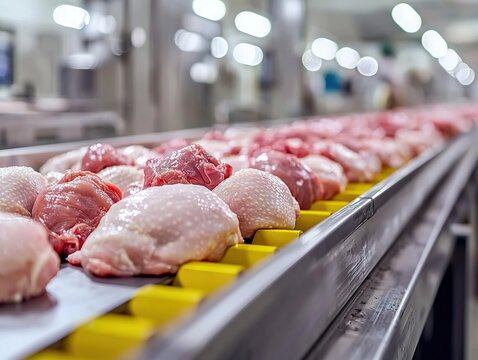
- Boneless, skinless breasts and tenderloins give clean portions that work well for sandwiches, salads, skewers, and ready meals. These cuts save trimming time for staff. Aurora Alimentos Group supplies frozen chicken breast that is boneless, skinless, and flash frozen for texture.
- Further prepared items such as nuggets, tenders, and breaded pieces add convenience for quick service clients and retailers. They cook fast, need less trained staff, and give steady results. Aurora Alimentos Group offers frozen chicken nuggets that fit both foodservice and supermarket freezers.
The same cuts can arrive in different freeze formats, so buyers must match process to use:
- Bulk frozen blocks suit factories that thaw whole lots at once.
- Individually frozen cartons help kitchens that pull part of a case at a time.
IQF freezing chills each piece quickly and keeps them separate, which makes stock counts simple. According to USDA FSIS, rapid freezing to 0°F helps stop large ice crystals that damage texture. That is why our IQF drumsticks and other cuts keep their bite even after long export trips. Wholesale Frozen Chicken
Which Certifications And Quality Standards Should Wholesale Buyers Require?

Wholesale buyers of bulk frozen chicken cuts should insist on clear food-safety and halal certifications before they even look at chicken prices. Halal logos, HACCP plans, ISO standards, and government inspection marks show that a plant controls hazards and keeps traceable records.
Food safety is not just box ticking. Recent estimates from the World Health Organization say unsafe food causes around 600 million illnesses and 420,000 deaths each year. That is a strong reason to line up with strict, audited plants.
“Food safety is everyone’s business, and it depends on strong control from farm to table.” — World Health Organization
- Halal certification confirms that birds are handled and slaughtered in line with Islamic rules and local import demands. Markets in the Gulf Cooperation Council, Southeast Asia, and parts of Africa often treat this as a base rule. Aurora Alimentos Group supplies halal-certified frozen chicken cuts with recognised certificates.
- HACCP plans map each step in the plant and mark points where hazards must stay under control. Guidance from USDA FSIS explains how these plans cut down risks from Salmonella and E. coli. Buyers should ask for copies of the current HACCP plan.
- ISO 22000 and similar standards link food safety with management rules, so plants keep the same discipline every day. Certification bodies such as SGS or Bureau Veritas audit these systems. Valid certificates help importers in the European Union and other regions pass retailer checks faster, as the scope of hazards is broad — covering the WHO estimates of the burden of 42 foodborne infectious and chemical hazards worldwide.
- Government inspection marks, such as the USDA shield in the United States or SIF stamps in Brazil, show that vets watched the slaughter and packing steps. Importers also need an export file for each shipment. Aurora Alimentos Group sends Health, Halal, and Origin certificates plus Commercial Invoice, Packing List, and shipping papers with every container.
The World Bank notes that border delays linked to paperwork can raise trade costs by a large margin. Clear certification and documentation is one of the best filters a buyer can use.
How Does Cold Chain Integrity Affect The Quality Of Bulk Frozen Chicken?

Cold chain integrity means the chicken stays at or below -18°C from plant to your freezer, and it has a direct effect on safety and texture. Each temperature rise lets ice crystals grow and can dry the meat once it thaws, a quality degradation mechanism examined in detail by research on Repeated Freeze–Thaw Cycles and their effects on chicken breast fillet quality attributes.
Guides from USDA FSIS explain that food held at 0°F stops bacterial growth and stays safe for very long periods. If the product leaves that safe zone at any point, one weak link can spoil an otherwise strong shipment. Buyers of bulk frozen chicken cuts need proof that this zone stayed intact.
“Keep frozen poultry at 0°F (-18°C) or below to maintain quality and safety.” — USDA FSIS
To keep that standard, buyers should confirm control at three points:
- At the processing site, chicken moves from slaughter to chilling, then into blast freezers that pull core temperature down to -18°C. Time out of cold rooms stays as short as possible. Plants that log these steps and share data give buyers more confidence.
- During ocean or truck transport, reefer units must hold temperature and record readings for the full trip. Carriers such as Maersk or MSC use remote monitoring so operators can react fast. Importers should always ask for reefer reports along with other shipment papers.
- On arrival and storage, once the container reaches your port, product moves straight into cold storage without long waits on the dock. Freezer rooms need reliable power, backup plans, and regular checks. Staff record temperatures for each chamber and keep logs that match supplier data.
When that chain stays tight, bulk frozen chicken cuts can keep good quality for long periods. Research from USDA notes that poultry held at 0°F stays safe for about a year, even though flavour is best earlier. Aurora Alimentos Group flash-freezes cuts, packs them in airtight bags, and stores them at -18°C so buyers can rely on up to 24 months of shelf life — an approach aligned with findings on Immersion freezing as a promising strategy for enhancing quality stability of frozen precooked chicken breast.
A serious frozen chicken program needs paperwork that proves cold chain control. We share temperature logs from plant to port, reefer data, and storage records so buyers can show auditors how each lot travelled. That transparency protects our partners with customers and regulators. Bulk Frozen Chicken Cuts
How To Calculate Total Landed Cost And Choose The Right Wholesale Supplier

To pick the right bulk frozen chicken cuts partner, buyers must calculate total landed cost, not just price per kilo. This figure adds freight, insurance, duties, port charges, and storage to the product price, then compares that amount across suppliers.
The World Bank notes that logistics and trade frictions can consume a large share of final value. When a quote hides these lines, careful buyers still model every cost and then weigh quality, paperwork, and support. A low headline rate can hide very expensive problems.
“Always compare offers on a landed-cost basis, not just the headline price per kilo.” — Purchasing Tip
Key elements to model on your landed cost sheet include:
- Base product price per kilo, which changes with cut, grade, and trim level. Whole birds cost less than boneless breast or value-added nuggets. Buyers should lock product specs in writing before they compare offers.
- Ocean freight and local port charges, which add up fast on frozen meat. Marine insurance protects you if a reefer unit fails or a ship faces problems. Serious suppliers help buyers pick routes and carriers that balance speed and cost.
- Import duties, VAT, and inspection fees, which vary by country and even by tariff code. Customs brokers and agents charge for document handling and port representation. A landed cost sheet should list these items so you see the real cash you must pay.
- Storage and inland transport, as product goes into cold stores that bill by pallet, weight, or time. Trucks with reefers move stock to factories, branches, or stores. If cold rooms or trucks fail, quality claims and waste quickly wipe out any saving on price.
Bulk Frozen Chicken Cuts. When buyers see the full picture, they can judge suppliers on value, not just a headline rate. Aurora Alimentos Group supports this view with flexible minimum order quantities, recurring monthly contracts, and steady Grade A quality on breasts, drumsticks, whole birds, and nuggets — operational principles consistent with the ANALYSIS OF THE IMPLEMENTATION of operational management frameworks in chicken wholesale businesses. We also offer custom branded or neutral packaging options so importers, restaurant groups, and retailers can grow their own labels without new plants.
Wrapping Up
Bulk Frozen Chicken Cuts. This guide showed how bulk frozen chicken cuts, cold chain control, and sound cost math fit together for wholesale buyers. With the right partner, these pieces turn into stable, halal-friendly supply.
Conclusion
To build a reliable frozen chicken program, buyers match product type to menu, demand strict certifications, and check every part of the cold chain. They also compare offers by total landed cost, not just the starting price. Bulk Frozen Chicken Cuts
Aurora Alimentos Group combines Grade A halal chicken cuts, HACCP and ISO systems, strong freezing technology, and full export paperwork in one partner. If you run restaurants, distribution, or retail, visit auroraalimentosgroup.com to request a quotation, confirm packaging needs, or discuss long-term supply plans.
Frequently Asked Questions
Question: What is the shelf life of bulk frozen chicken cuts from Aurora Alimentos Group?
Answer: Bulk frozen chicken cuts from Aurora Alimentos Group keep top quality for up to 24 months when stored at -18°C or below. Airtight packaging and a clean cold chain help protect texture, flavour, and safety for that time.
Question: What is the minimum order quantity (MOQ) for wholesale frozen chicken?
Answer: Aurora Alimentos Group offers flexible minimum order quantities so mid-size importers and full-container buyers can both work with us. New partners often start with trial loads before moving to steady monthly programs.
Question: Which markets is halal-certified frozen chicken required for?
Answer: Halal-certified frozen chicken is required or strongly expected in many markets across the Middle East, Southeast Asia, and large parts of Africa. In Europe and North America, more hotels, airlines, and retailers request halal lines for guests.
Question: What export documents does Aurora Alimentos Group provide with each shipment?
Answer: Aurora Alimentos Group prepares a documentation pack for every shipment, with Health Certificate, Halal Certificate, Certificate of Origin, Commercial Invoice, Packing List, and shipping papers. Our export team works with brokers so customs clearance runs smoothly.
Question: What is the difference between IQF and bulk-frozen chicken for wholesale buyers?
Answer: IQF chicken has each piece frozen separately, which lets you use only the portions you need and keeps texture closer to fresh. Bulk frozen product forms solid blocks that must thaw as a whole.
